
How the Rise of Forever Renters Is Shaping the Future of Residential Design
Estimated Read Time: 8 Minutes
The Highlights
- Why “forever renters” are redefining what modern rental living should look like
- How developers and designers are rethinking space, amenities, and finishes
- The top design shifts in multifamily housing for 2025 and beyond
- Practical takeaways for property managers and owners looking to stay competitive
- What residents really want—and what they’re willing to pay for
Once seen as a transitional step toward homeownership, renting has evolved into a long-term lifestyle choice for millions of Americans. Whether due to affordability, flexibility, or preference, more people are opting to rent well into their 30s, 40s, and even retirement.
This shift has major implications for how residential spaces are designed, marketed, and managed. So, what does that mean for property developers, owners, and managers?
Adaptation. Not just with trend-forward finishes, but with deeper changes to space planning, amenities, and service standards. Here’s how the rise of long-term renters is changing the playbook.
Flexible Layouts for Life’s Changing Seasons
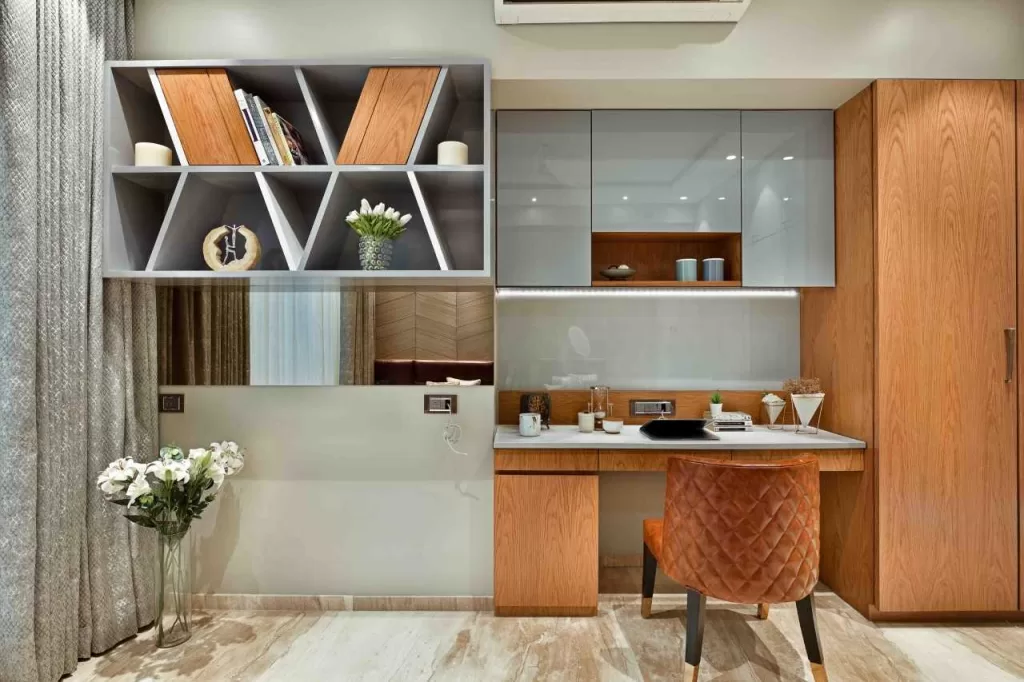
Today’s renters aren’t just passing through; they’re putting down roots, growing families, launching side gigs, and navigating hybrid work all from the same apartment. For property managers like you, that means rethinking what a “standard” unit looks like. Flexibility isn’t just a nice-to-have; it’s a must-have for long-term retention and tenant satisfaction. That means:
- Multi-use spaces that can shift between a guest room, gym, or office
- Built-in shelving and modular furniture to make small spaces work harder
- Movable walls or pocket doors to allow privacy without permanent walls
- “Bonus rooms” for hobbies, side gigs, or hybrid work
Developers are starting to embrace adaptable architecture that mirrors how people live, messy, busy, and multi-functional.
Amenities That Mirror Homeownership
Let’s be real: renters don’t just want a place to sleep; they want a lifestyle that feels stable, modern, and a little indulgent. And as residents stay longer, they’re comparing your community not just to other rentals, but to the experience of owning a home. So, developers are leaning into amenity-rich communities that rival homeownership perks:
- On-site pet spas and dog parks (pet-friendliness is now a baseline expectation)
- Fitness studios with guided classes or app integration
- Parcel lockers and cold storage for seamless delivery
- Community gardens and rooftop lounges to foster connection
- Bike repair stations and EV chargers for lifestyle alignment
Today’s tenants are weighing how closely a space mirrors the comforts and conveniences of home.
Durability + Design: High-End Looks That Last
Modern finishes may draw the eye, but in high-traffic spaces, durability is what earns long-term ROI. In fact, property managers report that replacing trendy materials too soon due to wear is one of the top hidden costs in multifamily upgrades. Choosing surfaces that can handle pets, move-ins, and maintenance crews without looking tired after two years isn’t just practical; it’s strategic.
Top design priorities for forever renters:
- Quartz countertops over laminate (perceived as more permanent)
- Matte black or brass fixtures to mimic luxury trends
- Durable LVT flooring that looks high-end but resists scratches
- Wall colors and lighting that feel curated, not contractor-default beige
Built-In Tech That Feels Effortless
Smart features are no longer future facing; they’re the new standard. But here’s the catch: if the tech feels clunky, residents won’t use it. The best digital tools quietly solve problems without creating new ones. From entry access to maintenance requests, today’s renters expect systems that work smoothly behind the scenes. Here’s what that looks like in action.
- Smart locks and remote entry for packages, guests, and roommates
- Integrated work-from-home zones with fast Wi-Fi and soundproofing
- Energy monitoring tools so renters can track their impact
- App-based service requests and amenity bookings
Importantly, tech should feel native, not bolted on. If the system adds friction or requires too many apps, it works against you.
Community, Not Just Convenience
Many long-term renters are replacing the idea of “neighborhood” with community within the building. They want to feel at home—but also connected.
For property managers, that means creating spaces that feel personal, not just functional. When residents connect with each other, they stay longer, complain less, and become stewards of the space. Here’s how thoughtful design can foster that sense of community,
Design implications include:
- Spaces for casual interaction (coffee bars, mail lounges, co-working tables)
- Programming that builds bonds (e.g., wine nights, cooking demos, pop-up shops)
- Human-scale design that avoids sterile hallways or overbuilt lobbies
This shift from transient living to “intentional renting” is fueling a return to hospitality-rooted design—where residents are seen, supported, and engaged.
Storage Is the New Luxury
One universal truth: everyone has a lot of stuff. And renters staying for 5–10+ years need places to put it. Ask any long-term renter what they wish they had more of, and storage is almost always near the top.
Whether it’s bikes, holiday décor, or just everyday clutter, people need space to live comfortably. And when a unit feels cramped, turnover follows. Smart storage sends a clear message: this place is designed for real life. Here’s where it makes the biggest impact:
- Walk-in closets in all unit sizes
- Dedicated storage units on-site (climate-controlled for a premium)
- Bike and gear rooms for outdoor enthusiasts
- Pantry or linen closets—small additions, big impact
Storage isn’t glamorous, but it’s essential to livability. The more storage a unit has, the longer a resident is likely to stay.
Sound, Smell, and Light: The New Design Frontiers
You can’t photograph them for the listing, but sensory elements like noise control, air quality, and natural light often make or break a resident’s decision to stay. For property managers juggling tight margins and tenant expectations, dialing these details can quietly drive retention. The best buildings don’t just look good, they feel good to live in. Here’s how modern design is getting smarter about the senses:
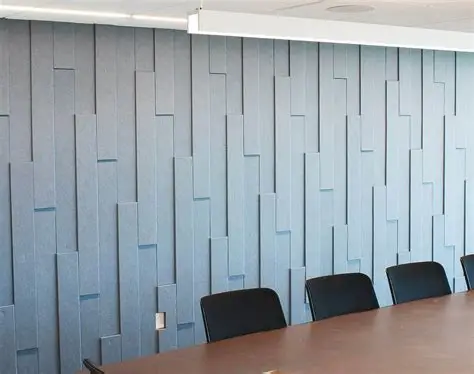
- Soundproofing between units and floors is a major factor in lease renewals
- Improved air quality and odor management systems increase comfort
- Natural light and biophilic design (think: plants, wood accents, organic forms) reduce stress and increase satisfaction
Designers are tuning into how these subtle factors impact perception, behavior, and lease retention.
Sustainability—Only If It Makes Sense
Green features are great, but only if they actually work for your residents. Most renters won’t pay more just to hear a building is “eco-friendly.” What they will appreciate are practical upgrades that lower their bills, simplify waste management, or support their hybrid lifestyle. When done right, sustainability isn’t a sales pitch. It’s a value-add. Here’s what that looks like in real life:
- Energy-efficient appliances that reduce utility bills
- Recycling/composting programs that are easy to use
- LED lighting, low-flow fixtures, and insulated windows
- EV charging for hybrid/electric car owners
Sustainability must be practical, not performative.
What This Means for Property Managers
Managing multifamily properties today isn’t just about filling units. It’s about keeping the right people long term by making their daily experience feel easy and dependable.
Design plays a big role in that, but so does everything from maintenance response times to how well your team communicates. If your building can support a renter through years of life changes without added friction, you’ve already won.
If you’re managing multifamily assets in 2026, here’s what matters most:
- Tenant retention is the new leasing strategy—design with longevity in mind
- Responsive maintenance and proactive updates drive satisfaction
- Design choices should reduce complaints and simplify upkeep
- Professionalism, communication, and hospitality aren’t soft skills—they’re table stakes
Your goal is to make it easy for someone to live in your building for years and never think about moving.
Conclusion: Renting Is Growing Up—Design Must Too
Forever renters aren’t a trend—they’re a generational shift. They’re making long-term choices, investing in their living environment, and expecting their homes to support how they live, work, and relax.
For developers, designers, and property managers alike, the question isn’t “Should we adapt?”, it’s “How fast can we evolve?”