
Contractor vs. Construction Manager: What Architects and Engineer Professionals Need to Know
Let’s be real—one of the biggest questions that comes up at the start of a job is this: Do we need a General Contractor, or should we bring in a Construction Manager?
They’re both key players, but they don’t do the same thing. Each has a different level of responsibility, risk, and involvement in the project. And depending on how far along you are—whether you’re still designing, thinking through buildability, or juggling the schedule and budget—it’s important to understand the difference.
This article breaks down the key differences, pros and cons, and nuanced roles of Contractors and Construction Managers (CMs), so you can make informed recommendations aligned with project complexity, timeline, and risk tolerance.
Understanding the Basics
What Is a General Contractor?
A General Contractor (GC) is usually brought on once the design is finalized and permits are in place. Their main job is to manage the actual construction work. That includes hiring subcontractors, ordering materials, overseeing the site, and making sure everything is built according to the plans and specs.
Most GCs come on board through a competitive bidding process, and they typically work under a lump-sum contract—meaning the price is fixed, based on the drawings provided. Their focus is on execution: building what’s already been designed.
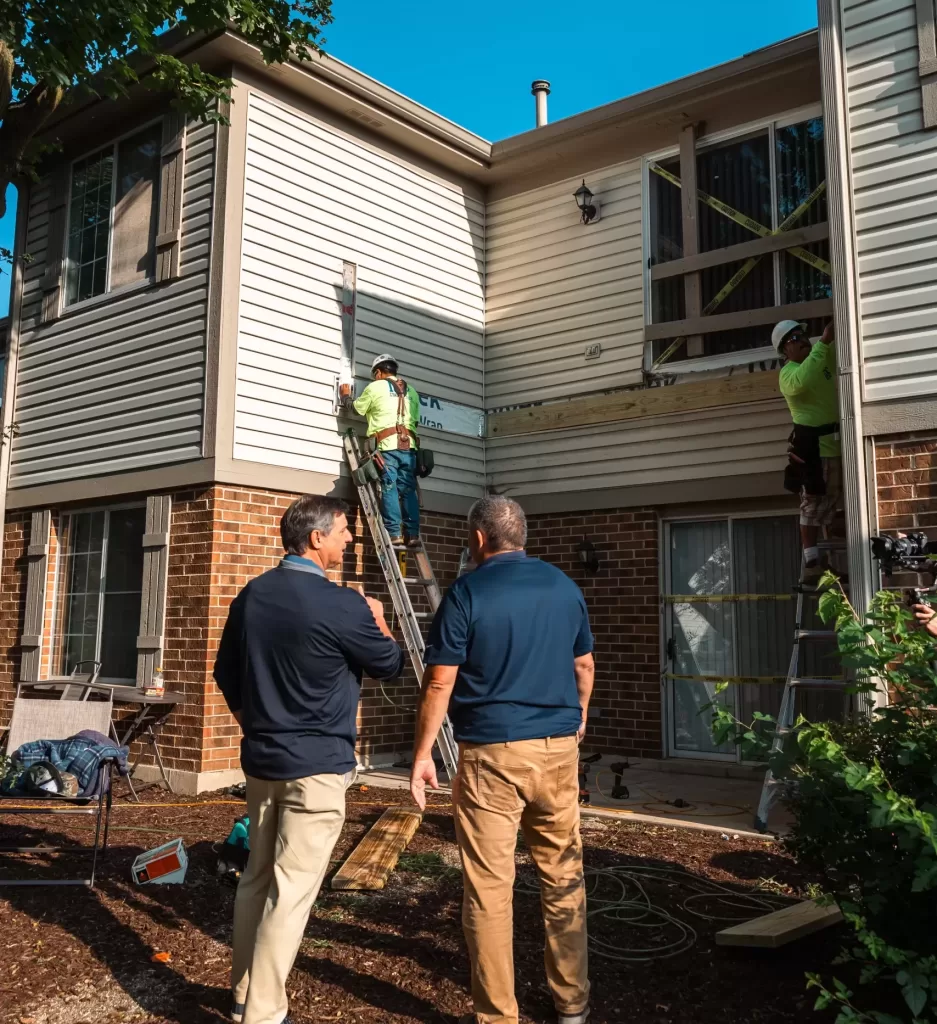
What Is a Construction Manager?
A Construction Manager (CM) gets involved earlier—often during the preconstruction phase. Instead of just managing the build, CMs work alongside the design team and the owner to help shape the project before it breaks ground. They offer input on things like constructability, budgets, phasing, and scheduling.
There are a couple of ways CMs might be contracted. Some work strictly as advisors (CM-as-Agent), while others take on more risk and responsibility by holding trade contracts themselves (CM-at-Risk). Either way, they’re typically more collaborative from the start and stay involved through project delivery.
Delivery Methods and Contractual Models
GC in Design-Bid-Build
The most traditional method of project delivery is Design-Bid-Build (DBB). The architect and engineers fully design the project first, after which it is sent out for competitive bidding. The selected GC is responsible for constructing exactly what was designed—no more, no less.
Implications for Design Teams:
- Limited ability to collaborate with the builder during design.
- Changes during construction may lead to change orders and cost increases.
- Fewer opportunities for early value engineering or construction feedback.
CM in Construction Management Models
When working with a Construction Manager, the project is usually delivered through either:
- Construction Management at Risk (CMAR) – where the CM provides a Guaranteed Maximum Price (GMP) and takes on risk similar to a GC.
- Construction Management as Agent (CMA) – where the CM acts solely as an advisor to the owner without holding trade contracts.
Implications for Design Teams:
- More integration during design phases.
- Real-time feedback on materials, labor availability, and cost impact.
- Greater flexibility for complex, phased, or fast-track projects.

Scope and Timing of Engagement
When Is a GC Engaged?
General Contractors typically join the project after the design is complete, meaning they aren’t involved in decisions around materials, systems, or logistics until late in the process. They respond to an invitation to bid and are awarded the job based on cost competitiveness.
When Is a CM Engaged?
Construction Managers are often brought in during schematic or design development. This early involvement enables a deeper alignment between design intent and construction realities. From a workflow standpoint, this can reduce surprises and mitigate design rework later.
Pro Tip for Architects and Engineers:
Bringing in a CM early can be especially helpful on projects with high regulatory complexity, difficult site conditions, or tight schedules.
Risk, Cost, and Accountability
Who Carries the Risk?
In a traditional GC setup, the lines are pretty clear: the owner carries the design risk, and the General Contractor takes on the construction risk. Once construction starts, the GC is on the hook for delivering the job as documented—on time and on budget. That said, if there are any gaps or unclear details in the drawings, those gray areas can lead to change orders or delays. But with a complete and coordinated set, GCs provide strong accountability and price certainty.
In a CM-at-Risk model, the Construction Manager commits to delivering the project at a Guaranteed Maximum Price (GMP). This spreads the risk more evenly between the owner, CM, and design team. It can help reduce finger-pointing and create a more collaborative dynamic—but it also depends heavily on having solid design documents and a well-run GMP process to avoid cost surprises.
How Transparent Are the Costs?
General Contractors: Pricing under a GC contract is typically fixed, with costs and fees baked into the lump sum. Unless an open-book approach is requested, you may not see every trade price or markup. However, once the contract is signed, owners and design teams get cost certainty and a clear commitment to deliver within that number.
Construction Managers: CMs usually operate on an open-book basis, meaning owners can see detailed cost breakdowns and get more visibility into pricing. This can make it easier to explore substitutions or value-engineering options when trying to hit a target budget.

From a Design Perspective:
If the team needs room to iterate or shift scope during design, the CM model offers more flexibility. If the drawings are ready and clear, a GC brings strong accountability, tight pricing, and clear risk allocation—especially on projects that benefit from a competitive bid environment.
Collaboration with Design Professionals
Working with a GC
When working with a GC, the design team has a clearly defined set of responsibilities. Once the documents are handed off, communication typically flows through submittals, RFIs, and site visits.
Working with a CM
CMs typically participate in design coordination meetings and serve as a thought partner in system selections, phasing decisions, and constructability reviews. They may attend OAC (Owner-Architect-Contractor) meetings even before shovels hit the ground.
This deeper collaboration benefits architects and engineers who are working on innovative, non-standard, or technically demanding designs.

Scheduling and Phasing Considerations
GCs and Reliable Scheduling
General Contractors work with a well-defined schedule that’s set before construction begins. This structured approach provides predictability and helps keep the entire team aligned on deadlines. By establishing a clear roadmap from day one, GCs reduce guesswork and keep trades accountable. When the design is complete and the scope is clear, a GC-driven schedule can deliver efficient sequencing, cost control, and dependable timelines—especially beneficial for owners who want firm delivery dates.
While this model may offer less flexibility for things like overlapping trades or early occupancy, the trade-off is a streamlined, focused construction phase with fewer moving parts and less risk of coordination breakdowns.

CMs and Fast-Tracking
Construction Managers, thanks to their early involvement in the design process, are often better positioned for fast-track delivery. They can identify early work packages—like sitework or foundations—before the full design is finalized. This can allow construction to start sooner and overlap with ongoing design, which is helpful when time is tight.
However, fast-tracking comes with its own risks. It relies on close coordination, strong communication, and careful planning to avoid rework or delays from changes made midstream. It’s a good fit when the project needs to move fast, but only if the team is aligned and ready to manage that pace.
Change Orders and Claims
GCs and Managing Change Orders
Change orders often get a bad rap, but they’re a natural part of the construction process—especially when the design isn’t fully complete or leaves room for interpretation. General Contractors step in once the drawings are finalized, so if there are missing details or unclear scope, they’ll raise those issues through a formal change order. This ensures the project stays aligned with the original contract and protects everyone involved from surprises.
While change orders can impact the budget or schedule, experienced GCs handle them with transparency and efficiency. With a clear process in place, most changes are resolved quickly, especially when the team communicates openly and the drawings are well-coordinated.
CMs and Change Management
Construction Managers, thanks to their early involvement, can often help identify design gaps before construction starts. This early coordination can reduce the number of changes later on. And when changes do come up, CMs often act as facilitators between the owner, design team, and trades to help resolve them collaboratively.
Still, the success of any change—whether with a GC or CM—comes down to communication, documentation, and team alignment. The earlier design issues are identified, the smoother the path forward.

What This Means for Architects and Engineers
Advocate for Alignment Early
One of the biggest missteps in design-construction partnerships is waiting too long to align the right team. As a design professional, you are uniquely positioned to advocate for project delivery methods that support the design vision and protect project viability.
The Hybrid Models and Blurring Lines
It’s worth noting that the lines between GCs and CMs are increasingly blurred. Many traditional contractors now offer preconstruction services. Similarly, some CMs bid competitively like GCs. The key is understanding not just the title, but the actual scope of services being offered.
Design-Build and Integrated Project Delivery
These alternative models are gaining traction, particularly for clients seeking single-point accountability. While this article focuses on GC vs. CM, design-build and IPD (Integrated Project Delivery) represent adjacent strategies worth evaluating for your toolkit.
Conclusion: A Strategic Partner, Not Just a Builder
Whether working with a Contractor or a Construction Manager, your relationship as a design professional doesn’t stop with the final drawing set. It’s about building a team that enhances, not compromises, your design intent.
General Contractors are a great fit for predictable, well-defined projects with minimal need for early coordination. Construction Managers shine on projects that require flexibility, collaboration, and proactive problem-solving from day one.
By understanding the nuances between these roles, architects and engineers can confidently guide clients toward smarter delivery strategies—and bring designs to life with greater precision and impact.