
Budgeting for Safety in 2026: Where to Spend, Where to Save, and How to Win Board Support
Estimated Read Time: 10 Minutes
The Highlights
- Prioritize high-value safety improvements
- Identify low-urgency upgrades that can be deferred
- Improve board communication to fast-track approvals
- Use a safety priority matrix to justify planning decisions
- Maintain resident trust and peace of mind
Why Safety Spending Deserves Strategic Planning
Safety is one of the most defensible reasons to invest, but blanket labeling everything as “safety-critical” can backfire. Boards become skeptical. Residents feel misled. And worst of all, truly urgent risks may be drowned out.
Use Safety Language with Precision
Before recommending a project, ask:
- Does this pose immediate health, safety, or liability risk?
- Will we fail a code inspection or lose insurance coverage if we delay?
- Is it cited in a reserve study or triggering resident complaints?
If yes to any, you likely have a strong case.
High-ROI Safety Upgrades for 2026 (Where to Spend)
Here are the most impactful projects to include in your 2026 safety budget, based on code enforcement urgency, resident visibility, and preventive maintenance ROI.
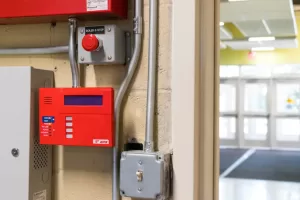
1. Fire Life Safety Systems
- Replace outdated fire alarm panels and control boxes
- Install/upgrade emergency exit lighting
- Test and repair stairwell pressurization fans
Pro Tip: These systems often have long lead times. Plan 6–12 months out to avoid costly emergency installs and avoid failed inspections.
2. Elevator Compliance & Modernization
- Upgrade door sensors, brakes, and governor systems
- Improve cab ventilation and emergency communication systems
- Address ADA compliance with updated call buttons and signage
3. Façade & Balcony Integrity
- Schedule structural inspections for masonry, parapet walls, and balconies
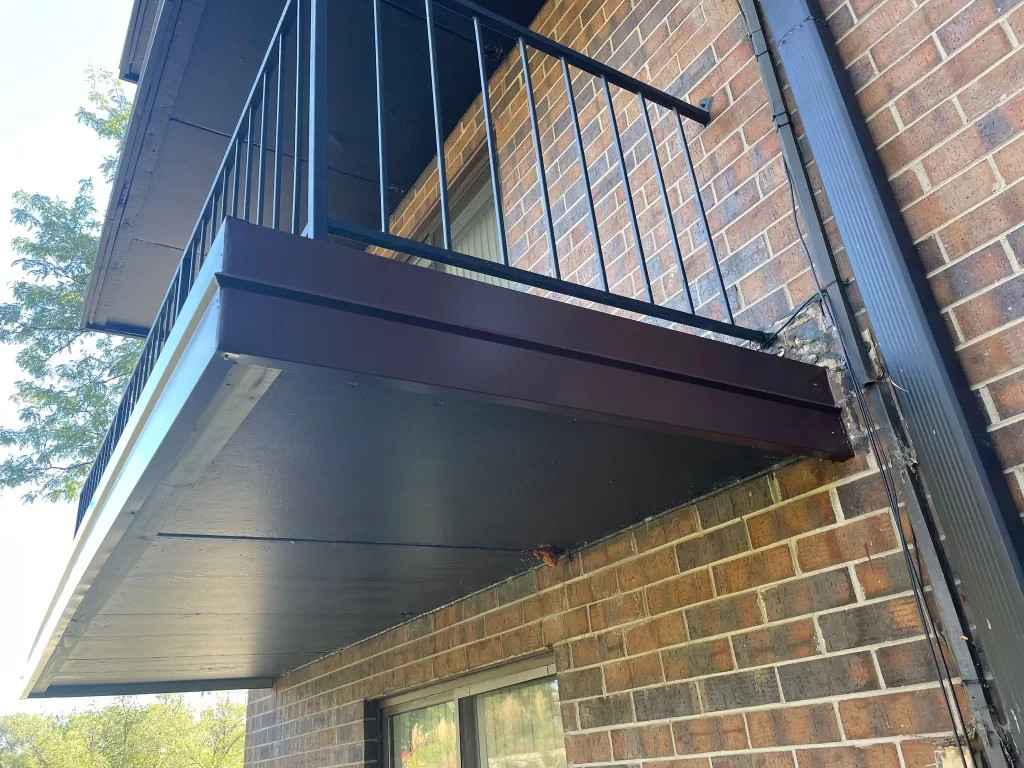
- Repair spalling concrete, loose bricks, or corroded balcony railings
Watch for: Local laws like Chicago’s Rules for Exterior Walls or NYC’s FISP program. These require regular inspections and often tie directly to legal liability.
4. Trip & Fall Risk Zones
- Level sidewalks, repair stair treads, install grip surfacing
- Improve entry lighting and handrail compliance
Quick Wins: These upgrades are low-cost and highly visible. A $3,000 sidewalk repair could prevent a $100,000 injury lawsuit.
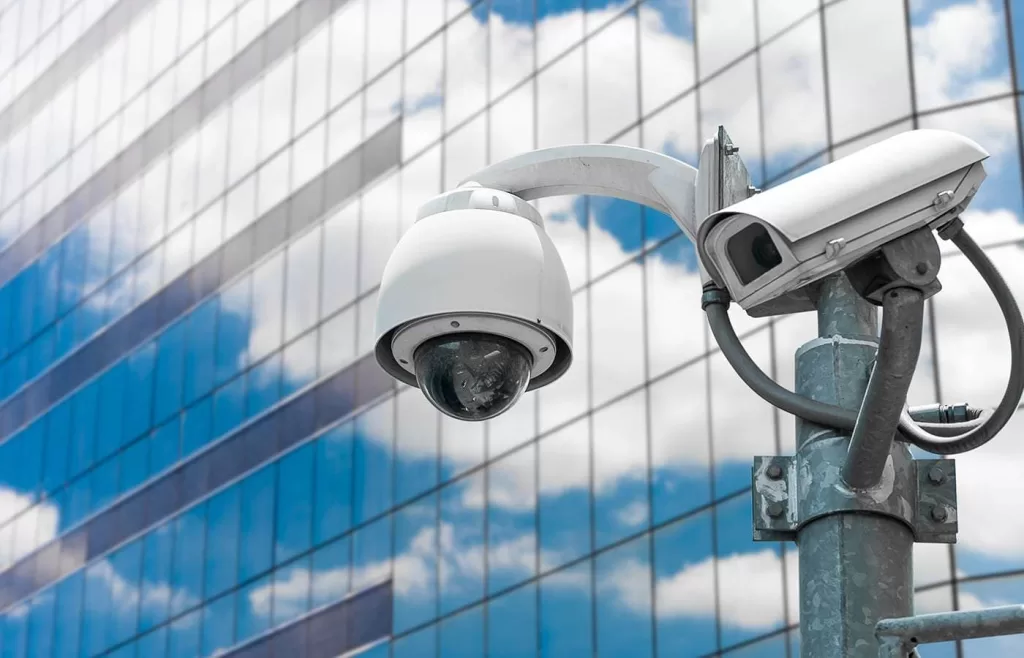
5. Building Access & Surveillance
- Replace outdated camera systems
- Upgrade to key-fob or mobile app access control
- Improve package room visibility and tracking
🔑 Resident Psychology: While not always “true” safety, these measures improve perceived security, which boosts resident satisfaction and reduces complaints.
Budget Hold-Offs: Where You Can Save or Phase (With Care)
Even valid safety projects may not require immediate investment. Here are examples of upgrades to consider for 2027+, depending on inspection results and funding bandwidth.
1. Aesthetic Security Features
- Ornamental fencing with no real barrier function
- Duplicated wayfinding or warning signage
2. Green Energy Retrofits with Low Short-Term Payoff
- Solar panels on garages or older high-rises
- Geothermal systems that require envelope rework
Better Alternatives: LED retrofits, motion sensors, and attic insulation typically deliver faster returns and still contribute to sustainability goals.
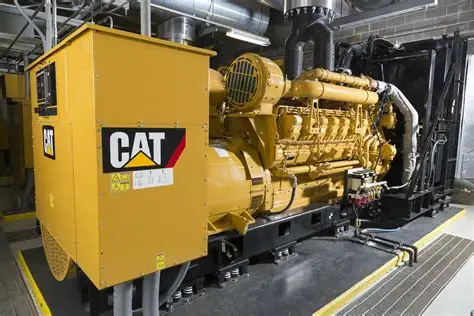
3. Emergency Generator Upgrades
- If already inspected and compliant, consider delaying major upgrades
- Plan replacement for 2028+ and begin reserves
Finance Tip: Include escalating replacement costs in reserve forecasts to justify future allocations.
How to Present Safety Budgets for Maximum Board Buy-In
Tie Everything to Data
- Inspection reports
- Resident complaints (documented)
- Incident history
- Photos, diagrams, maps with annotations
Use Tiered Framing
- Urgent (Do Now): Mandatory, cited in inspections, visible or disruptive
- Important (Plan Q3–Q4): Needed in 12–18 months
- Monitor (2027+): Watch for signs of deterioration
FAQs: Budgeting for Safety Upgrades in HOA and Multifamily Settings
What are the top safety upgrades for board approval?
Life safety systems, trip/fall risk repairs, and elevator compliance upgrades are the most likely to pass swiftly—especially if tied to inspection reports.
How do I convince boards to invest in long-term safety?
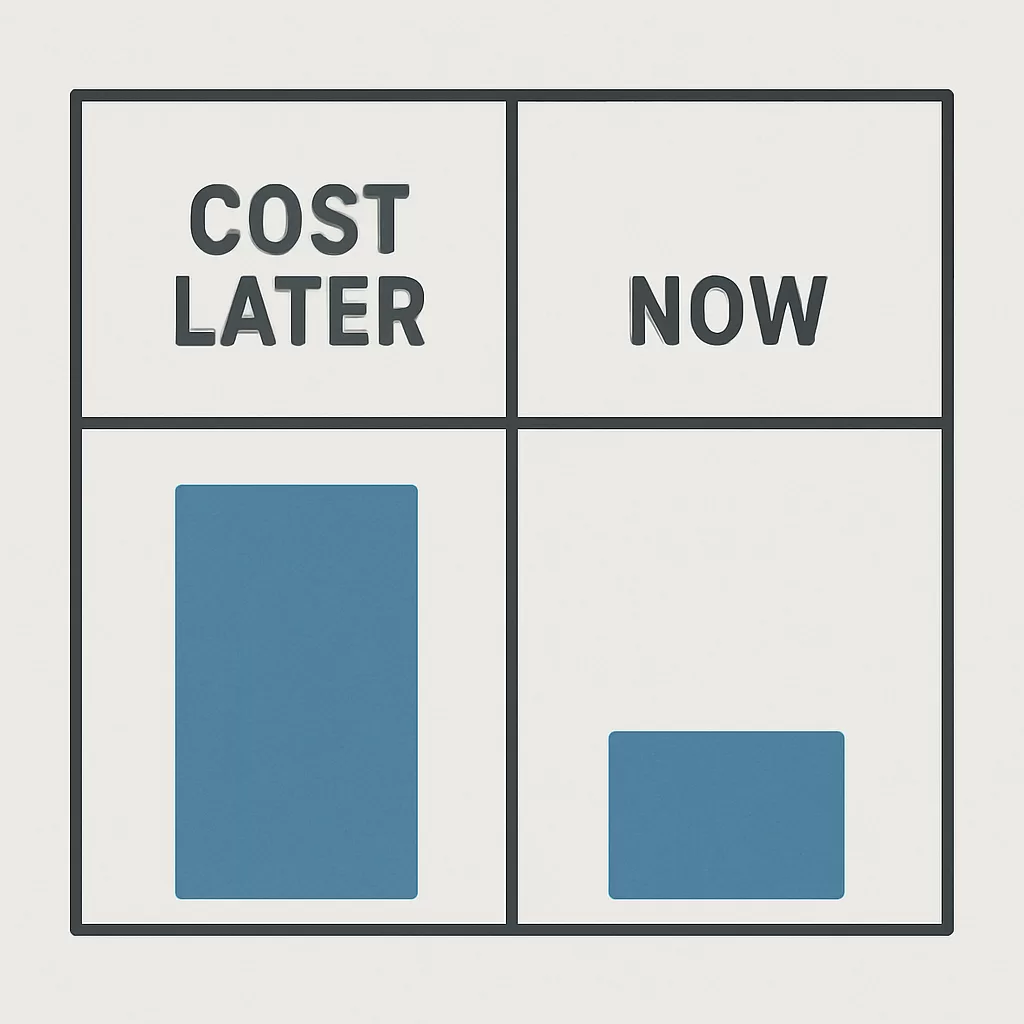
Use a “cost later vs. cost now” model. For example, show how a $3K step repair prevents a $15K liability settlement.
What’s the average ROI on preventive safety upgrades?
According to Brightly Software, preventive maintenance yields a 545% return by avoiding emergency repairs, legal fees, and higher insurance premiums.
How often should we revisit safety priorities?
At least annually—ideally during budgeting. Also revisit after resident complaints, major storms, or insurance policy reviews.
IOC Construction Can Help You Plan Smarter
At IOC Construction, we help condo associations, multifamily developers, and HOA boards:
- Scope and prioritize capital upgrades
- Conduct safety walk-throughs with photo documentation
- Estimate accurate timelines and phasing strategies
- Build board-ready visual packets and cost scenarios
Ready to Pressure-Test Your 2026 Safety Budget?
Don’t wait for a failed inspection or angry board meeting. Schedule a safety planning consult with IOC Construction and get a custom risk-prioritized upgrade list before your next packet is due.
Need help pressure-testing your safety budget? Let’s talk before your next board packet is due.