
How to Read a Construction Proposal Like a Pro (Even If You’re Not a GC)
Estimated Read Time: 7 minutes
Summary:
- Construction proposal review checklist for property and HOA managers
- How to evaluate contractor bids like a pro
- Spotting scope gap warning signs in proposals
- Board-ready proposal analysis tips
- Free proposal comparison matrix template included
Not a Contractor? This Will Help
If you manage COA or HOA properties, you’ve likely reviewed your share of contractor proposals, some detailed, some dangerously vague. You may not be a general contractor, but you still need to translate complex bids into board-ready proposal analysis.
We’re here to help you evaluate construction bids confidently, explain your decisions clearly, and defend your recommendations with ease. Let’s start with why some proposals make you feel uncertain.
Why Most Construction Bids Raise Red Flags
Too many contractor proposals are written to win the job, not to explain it clearly. That’s risky in HOA settings where:
- Boards often default to the lowest bidder
- Timelines are tight and complaints come fast
- Change orders can blow up budgets
Even though many boards say they “just want the cheapest bid”, what they need is a low-risk proposal that’s clear, detailed, and transparent.
What a Professional Proposal Should Always Include
A contractor proposal shouldn’t just name a price—it should walk you through the construction proposal review checklist with transparency.
- Line-Item Scope of Work
No vague lump sums. Every task should be clearly listed.
- Timeline With Contingencies
Look for realistic phasing and buffer time for weather, permits, and deliveries.
- Crew Details
Who’s showing up daily? GC staff or subs? Are they certified for your building type?
- Material Specs
Avoid terms like “membrane system”—look for brand names, model numbers, and warranty info.
- Resident Protection Plan
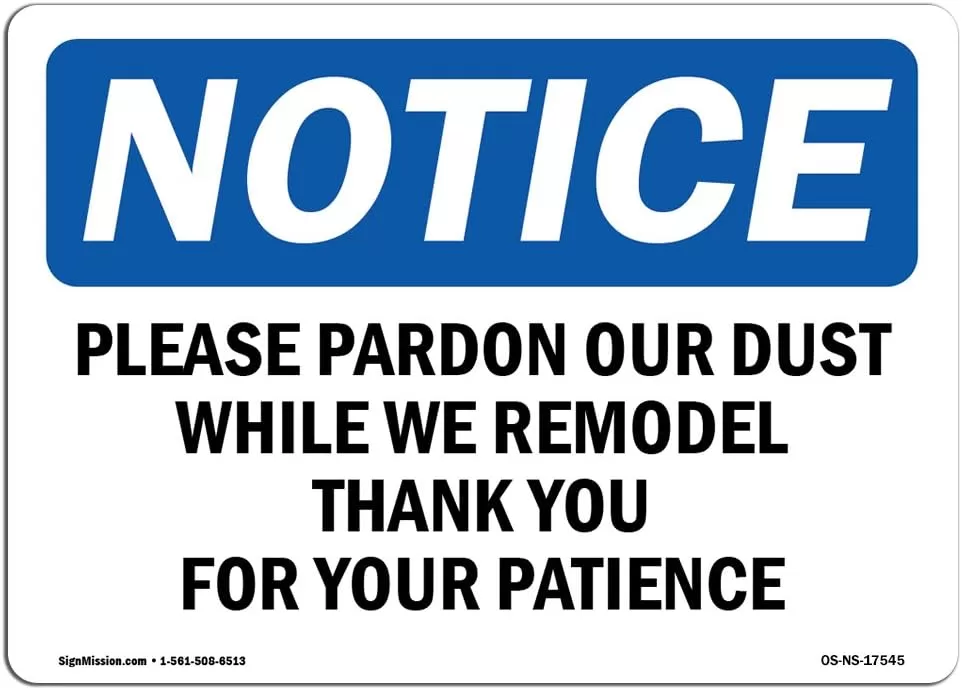
Details like dust containment, signage, or in-unit access protocols should be spelled out.
- Change Order Process
Make sure it’s clear how issues will be priced and communicated.
- Point of Contact
One named project manager with real-time availability—no ghosting allowed.
Detect Hidden Costs in Contractor Proposals
When proposals seem too light, they probably are. Be alert for scope gap warning signs in proposals like:
- “As needed” or “If necessary” = $$$ later
- “Clean site daily” without details = vague effort
- “PM will visit as needed” = minimal oversight
Tip: Always request clarification in writing. A good contractor won’t dodge accountability.
How to Evaluate Contractor Bids with a Comparison Matrix
Don’t just collect three bids and forward them. Use a proposal comparison matrix template to simplify your decision-making:
|
Pro Tip: A higher price with better scope, faster turnaround, or cleaner access plans may be the true best value.
Board-Ready Proposal Analysis Tips
Here are four practical tips to help your board analyze a proposal:
Break Down the Scope of Work: Boards often feel overwhelmed by technical jargon or broad statements in proposals. A property manager can help by breaking the scope into plain language:
- What exactly will be done?
- What’s excluded?
- Are there any assumptions or allowances?
Highlight Costs and Comparisons: Prepare side-by-side comparisons if multiple proposals are being considered (like the matrix above). This might include:
- Base price vs. add-ons
- Unit pricing (e.g., per square foot, per balcony)
- Hidden or conditional costs
Verify Credentials and Compliance: Before your meeting, confirm the companies that are bidding have the following:
- Proper licensing, bonding, and insurance
- Relevant project experience
- References or case studies, if provided
Summarize Risk and Recommendation: Finally, a property manager can prepare a short summary for the board:
- Key benefits and drawbacks of each proposal
- Potential risks (budget overruns, scope gaps, unclear warranties)
- Their own professional recommendation
This prevents the board from getting lost in 20+ page proposals and keeps discussions focused.
Here’s how to frame your recommendation to get the most out of it:
“While Contractor A offered the lowest bid, Contractor B includes access protection, full cleanup, and a firmer timeline—reducing the risk of resident complaints and hidden costs. I recommend Contractor B as the better long-term value.”

Real-World Red Flags You Can’t Miss
- The Unqualified Sub
One HOA approved a mid-tier bid—only to find the GC subbed it out to a team unfamiliar with elevator protocols. The project stalled for three weeks.
- The Scope Gap Disaster
A plumbing bid skipped drywall repair. After residents complained, the HOA faced a $12,000 add-on.
- The Vanishing PM
One low-bid GC promised weekly updates. After kickoff? Silence. Tenants were caught off guard when noisy work began unannounced.
Final Takeaways: Read Like a Pro, Even If You’re Not One
You don’t need to be a GC to vet proposals like one. You just need to know how to:
- Use a construction proposal review checklist
- Ask the right construction change order process questions
- Spot scope gap warning signs
- Present your findings with board-ready proposal analysis tips