
Chicago Ordinance 13-196 Explained: What Property Managers Need to Know
Estimated Read Time: 7 Minutes
The Highlights
- What Ordinance 13-196 requires and why it matters now
- Who’s responsible for compliance—and what’s at stake
- Key deadlines, documentation needs, and inspection cycles
- Common pitfalls and how to avoid tenant disruption
- How to partner with contractors who make compliance frictionless
1. Why This Ordinance Deserves Your Attention
Managing a commercial property in Chicago means staying sharp on local codes and Ordinance 13-196 is one you can’t afford to overlook. Designed to ensure the structural integrity of older buildings, this ordinance mandates regular inspections and documentation. Yet achieving compliance is easier said than done. Inspections, documentation, and ongoing oversight add layers of complexity to an already full plate.
What makes 13-196 so important today is increased enforcement and tenant scrutiny. The City of Chicago is cracking down on overdue inspections and shoddy documentation. Meanwhile, tenants have become more vocal about safety and upkeep, especially in high-traffic retail and mixed-use spaces. A neglected facade or delayed inspection can lead to tenant complaints, negative online reviews, or worse: emergency repairs that disrupt business operations and damage your reputation.
This guide breaks it down for you. No legal jargon or fluff. Here’s how you can protect your property, avoid fines, and keep operations going smoothly.
2. What Is Chicago Ordinance 13-196?
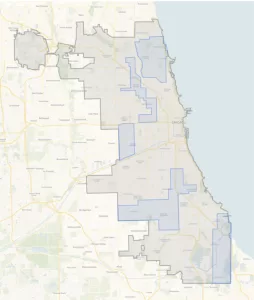
Chicago Ordinance 13-196 is a safety code enacted to ensure that buildings remain structurally sound and safe for occupancy. It primarily affects older mid-rise and high-rise commercial and mixed-use buildings. The ordinance requires property owners to complete periodic inspections of key structural elements and submit detailed reports to the Department of Buildings.
The core focus is life safety. That means assessing the condition of exterior walls, balconies, fire escapes, and structural framing, anything that could present a hazard if it deteriorates over time. It’s designed to prevent high-risk failures like loose masonry or deteriorating parapets, which have caused major safety concerns in cities like Chicago.
Beyond safety, it’s also about accountability. The ordinance forces owners and managers to document the true condition of their buildings, establish repair timelines, and show the city they’re staying proactive.
3. Who Needs to Comply—and When?
If your property is over 7-8 stories tall or more than 80 feet, chances are you’re on the city’s radar. Ordinance 13-196 mandates:
- Routine facade inspections for buildings over 80 feet tall
- Reports signed and sealed by a licensed architect or structural engineer
- Specific inspection intervals, often every four, eight, or twelve years depending on property type and risk profile
Even if your building isn’t high-rise, you may still fall under the ordinance if structural components show signs of wear, previous violations exist, or recent renovations have altered the building envelope.
Penalties for non-compliance include:
- Daily fines until inspection reports are filed
- Stop-work orders on unrelated renovation projects
- Mandatory emergency repairs under city supervision
- Increased insurance premiums or denied claims in case of incidents
It’s not a risk worth taking, especially when early action can keep you compliant and in control.
4. What Needs to Be Inspected
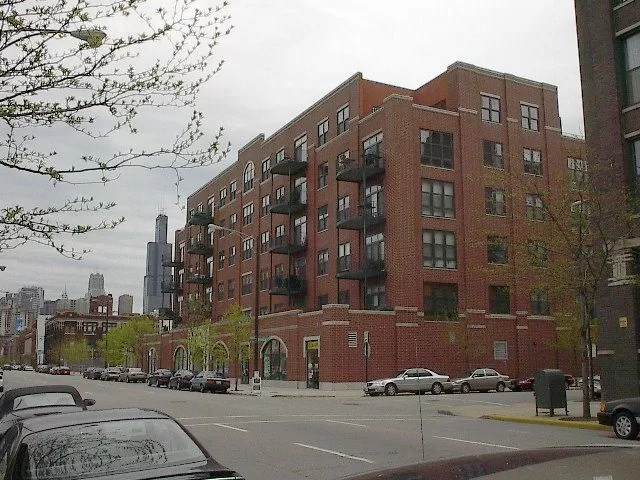
The ordinance zeroes in on structural and safety-critical elements. These typically include:
- Exterior walls and facades (especially masonry)
- Roof conditions and drainage systems
- Fire escapes, balconies, and overhangs
- Load-bearing structural systems
- Parapets, canopies, and decorative elements
In many cases, your building may also require destructive testing, removing facade samples or opening up wall sections to verify structural integrity underneath. This can be noisy, messy, and logistically complex, which is why scheduling and tenant communication are so vital.
5. Common Pitfalls and How to Avoid Them
Late inspections are one of the biggest red flags. Delaying inspections past the deadline can lead to automatic citations and public listings on the city’s non-compliance roster.
Incomplete documentation is another frequent issue. Your inspection reports must be signed, sealed, and submitted properly, no cut corners. Digital-only files, missing photos, or vague engineer notes can delay approval.
Tenant disruption is a major risk. Scaffolding, drilling, or lift equipment can block entrances or create noise complaints if not scheduled thoughtfully. Tenants can plan around maintenance, they can’t plan around the unexpected.
Low-bid fixes often backfire. Patch jobs that don’t meet code can cause re-inspection failures and balloon your costs later.
Pro Tips:
- Walk the property with your contractor before the inspection
- Get photo documentation at each phase
- Coordinate off-hours or weekend work whenever possible
- Use signage and email updates to keep tenants informed
- Budget for contingencies, especially on aging properties with unknown issues
6. How to Make Compliance Seamless
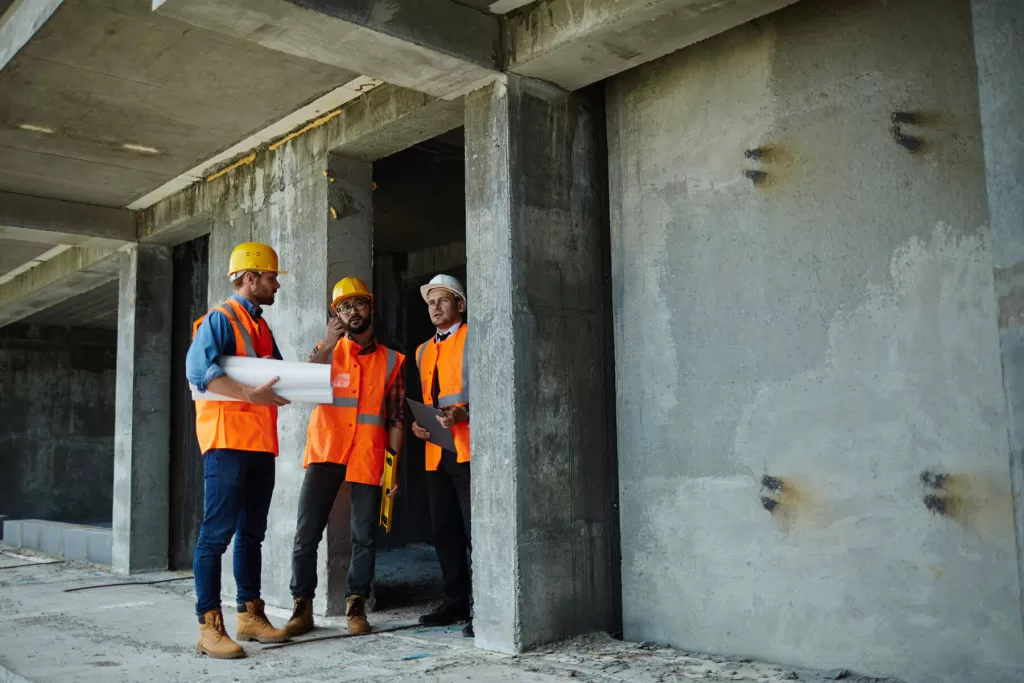
This is where the right contractor changes everything. You don’t need a crew that just shows up, you need one that thinks ahead.
The best partners:
- Handle permits, inspections, and safety documentation without constant follow-up
- Deliver detailed scopes and quotes within 48 hours of a walk-through
- Communicate proactively with you and your tenants
- Provide timestamped photos and final reports you can send straight to leadership
Contractors who understand hospitality-style service stand out. They treat your property like a hotel: working discreetly, showing up polished, and anticipating issues before they escalate.
When done right, you should be able to hand them the keys and focus on bigger priorities.
7. What Property Managers Should Ask Contractors
Before you green-light any 13-196 project, ask your contractor the following:
- Can you commit to this timeline, and what happens if you miss it?
- How do you minimize tenant complaints during the work?
- Do you handle city inspections and submission logistics?
- Will your crew work after-hours if needed?
- Who is my direct point of contact, and how responsive are they?
- How do you handle unexpected repairs or cost overruns?
- Do you use in-house crews or subcontractors, and how are they vetted?
These questions reveal whether your partner has systems in place, or is winging it.
Final Thoughts: Stay Ahead of It
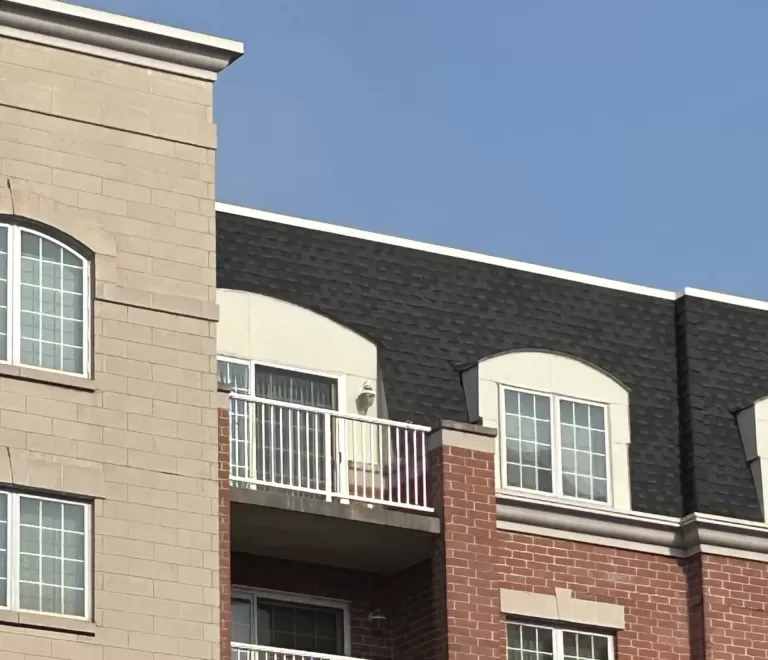
Don’t wait until you get that first violation notice. Chicago Ordinance 13-196 is here to stay, and enforcement is only getting more aggressive. But with the right contractor, staying compliant can be one of the easiest wins on your list.
At IOC Construction, we help Chicago property managers navigate 13-196 from inspection to sign-off, without blowing up your schedule or your inbox. Because smooth operations aren’t just your goal. They’re ours, too.