
Your Preventive Maintenance Calendar: What to Schedule and When
Estimated Read Time: 6 Minutes
The Highlights
- Learn how to build a preventive maintenance calendar tailored to high-rise needs
- Understand what tasks to schedule seasonally, annually, and by lifecycle benchmarks
- Get board-friendly guidance to justify proactive work
- Avoid emergency repairs by catching small issues early
- Download a plug-and-play calendar format to simplify planning
Preventive maintenance is one of the most thankless, but most valuable, parts of property management. When done right, nobody notices. When skipped, you’re suddenly the target of resident complaints and board frustration.
To help you stay ahead, we’ve broken down what should be on your building’s preventive maintenance calendar, and when it needs attention.
Why Preventive Maintenance Pays Off
Putting off a small repair often feels like a win in the short term, but the long-term costs can be steep. Emergency service calls, resident disruption, insurance headaches, and reputation damage aren’t line items anyone wants to explain to the board.
A clear, scheduled calendar helps you:
- Justify budget requests with logic and lifecycle data
- Reduce downtime and extend the life of building systems
- Avoid scrambling when vendors are booked solid during peak seasons
- Stay in control, and avoid being blamed for surprises
What to Schedule (and When)
Here’s a high-level preventive maintenance calendar to guide your annual planning.
Winter (Dec–Feb)
- Boiler inspection & mid-season tune-up
- Snow removal equipment check (monthly)
- Interior water intrusion inspection (basement walls, sump pumps)
- Elevator pit cleaning (especially if water seepage is common)
Tip: Schedule facade or roof inspections for late winter, so you’re first in line for spring work.
Spring (Mar–May)
- Exterior facade inspection (code-required every 4–12 years in Chicago)
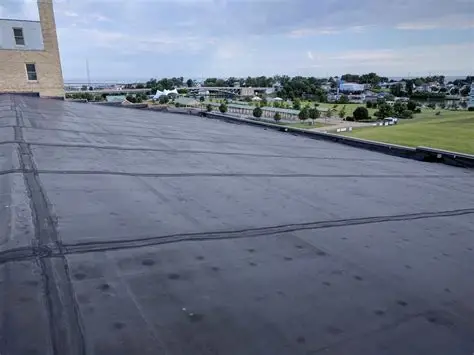
- Roof inspection and minor patching
- Gutter and drainage cleaning
- Window seal checks and re-caulking where needed
- Tuckpointing evaluations (before freeze/thaw damage worsens)
Tip: Secure contractors early. Spring is peak season for concrete and facade repairs—don’t get stuck with delays because of labor shortages
Summer (Jun–Aug)
- HVAC servicing and filter changes
- Cooling tower and chiller maintenance
- Garage ventilation and carbon monoxide testing
- Emergency lighting and exit sign testing
- Annual fire safety inspections (alarms, extinguishers, sprinklers)
Tip: Use quieter summer weeks to handle disruptive work like interior plumbing access or flooring in common areas.
Fall (Sep–Nov)
- Winterization of plumbing in unheated spaces
- Heating system prep and test runs
- Window and door seal checks
- Concrete sealing (before freeze season)
- Reserve study updates or condition assessments
Tip: Bundle inspections and minor fixes to maximize vendor site visits and reduce resident disruption.
Lifecycle Benchmarks to Track
Some components don’t follow the seasons—but they do follow predictable lifespans. Track these in your calendar to trigger vendor bids or board prep at the right time.
|
Tip: Use these benchmarks during budgeting to avoid sticker shock. When framed proactively, most boards respond well to lifecycle-based planning.
Make It Easy on Yourself
Property managers don’t need more complexity. Here’s how to simplify preventive planning:
- Create a shared calendar with reminders tied to vendor scheduling windows
- Use past maintenance records to project upcoming needs
- Provide annotated photos and cost ranges in board decks to gain quick approvals
- Lean on vendors for bundled inspections (roof + facade, HVAC + plumbing, etc.)
Final Thoughts
Preventive maintenance isn’t just about protecting your building—it’s about protecting your time and credibility. When you’re not chasing emergencies, you can focus on resident satisfaction and board confidence. That’s how great property managers keep the calm.