
Tile Terminology: A Comprehensive Guide for Your Remodeling Project
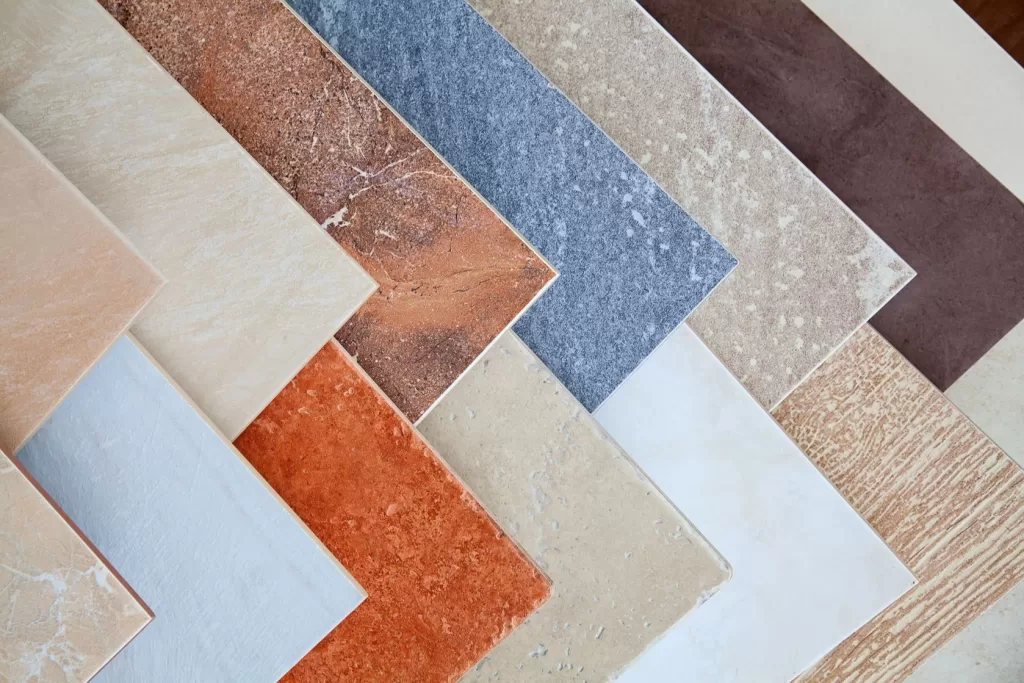
Tiles are among the most versatile, durable, and aesthetically appealing materials used in commercial and residential remodeling. For property managers overseeing apartments, condos, or large-scale commercial spaces, understanding tile terminology is essential. This guide offers a deep dive into everything you need to know about tiles—whether you’re planning a lobby overhaul, upgrading apartment units, or renovating common areas.
What Is Tile?
Tile is a manufactured piece of hard-wearing material such as ceramic, stone, metal, or glass. It’s typically used for covering floors, walls, showers, backsplashes, and countertops. Tiles are valued for their durability, design variety, and low maintenance.
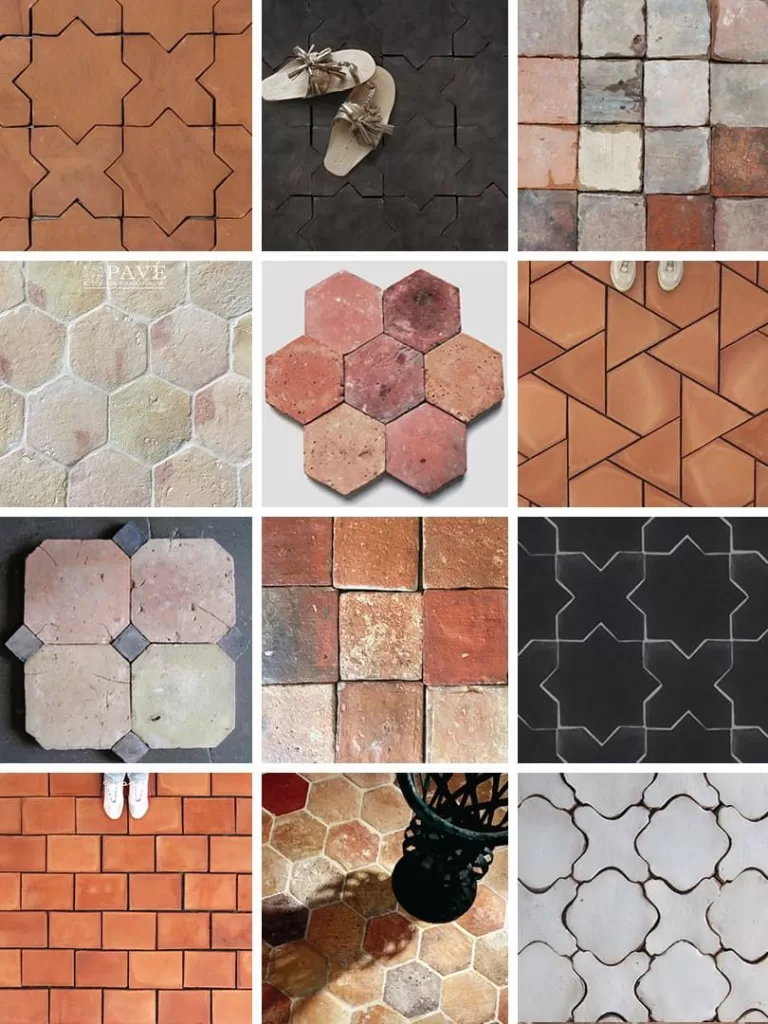
Why Tile Is Popular in Property Management
Property managers favor tile for numerous reasons:
- Durability: Long-lasting under high foot traffic.
- Moisture Resistance: Ideal for bathrooms and kitchens.
- Design Flexibility: Countless patterns, colors, and textures.
- Low Maintenance: Easy to clean and repair.
From high-rise lobbies to commercial bathrooms, tile remains a go-to material due to its performance and visual appeal.
Types of Tile Materials
Choosing the right tile begins with understanding the material. Each has specific advantages and ideal applications.
Ceramic Tile
Ceramic tiles are made from natural clay that’s fired at lower temperatures. They’re budget-friendly and easy to cut, making them perfect for standard renovations.
Pros and Cons
Pros:
- Inexpensive
- Lightweight
- Available in many styles
Cons:
- Less durable than porcelain

Porcelain Tile
Porcelain is a denser, more durable version of ceramic. It’s fired at higher temperatures and is often chosen for heavy-use areas.
Durability and Design Options
- High resistance to moisture and wear
- Suitable for both indoor and outdoor use
- Available in wood-look, stone-look, and modern designs
Natural Stone Tile (Marble, Slate, Granite)
Natural stone adds luxury and uniqueness, each tile offering a one-of-a-kind appearance.
When to Use Natural Stone
- Premium spaces such as hotel lobbies or luxury condo entrances
- Requires sealing and regular maintenance
- Not ideal for high-moisture zones unless properly sealed
Glass and Metal Tiles
Typically used as accent or feature pieces, glass and metal tiles bring modern flair.
Specialty Applications
- Perfect for backsplashes and decorative walls
- Reflect light, making spaces feel larger
- Require careful installation
Tile Dimensions and Classifications
Understanding size and rating systems is key when planning a renovation project.
Standard Sizes
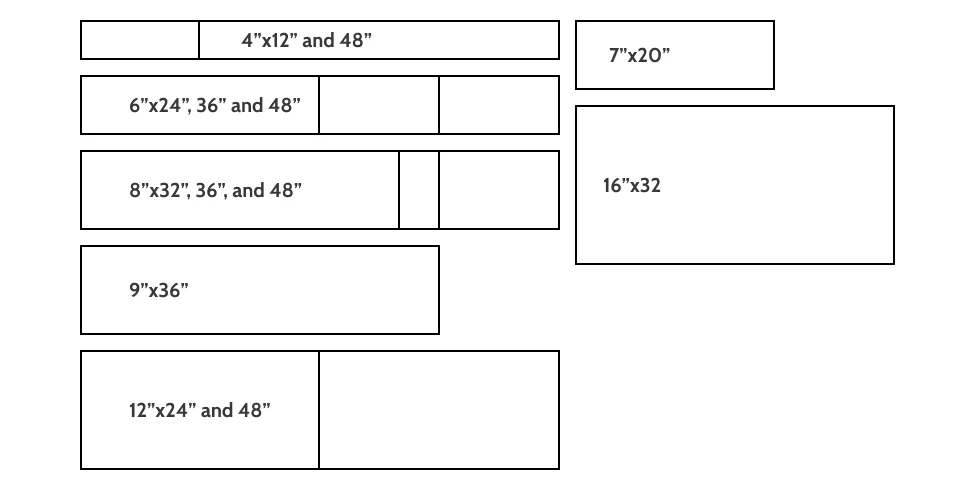
Tiles come in various standard sizes:
- Square: 12×12, 18×18, 24×24 inches
- Rectangular (plank-style): 6×24, 8×48 inches
- Mosaics: 1×1 to 4×4 inches, often sold in sheets
Rectified vs. Non-Rectified Tiles
- Rectified Tiles: Edges are mechanically finished for precision cuts—ideal for narrow grout lines.
- Non-Rectified Tiles: Slightly uneven edges, typically requiring wider grout spacing.
PEI Rating Explained
The Porcelain Enamel Institute (PEI) rating measures a tile’s resistance to abrasion:
- Class 1–2: Residential walls only
- Class 3: Moderate foot traffic (residential floors)
- Class 4–5: High foot traffic (commercial use)
Tile Finishes and Textures
Finish affects slip resistance, appearance, and cleaning needs.
Glossy, Matte, and Textured Finishes
- Glossy: Reflective, sleek; shows water spots easily
- Matte: Subtle shine, hides dirt well
- Textured: Adds grip, ideal for wet areas
Slip Resistance and DCOF Rating
The Dynamic Coefficient of Friction (DCOF) rating helps identify slip-resistant surfaces:
- ≥ 0.42 DCOF: Safe for wet areas like bathrooms
- Consider DCOF when choosing for senior housing or ADA-compliant facilities
Tile Patterns and Layouts
Tile layout impacts the room’s visual flow and can influence perceptions of size.
Classic Patterns (Grid, Running Bond, Diagonal)
- Grid (Straight Lay): Clean and modern
- Running Bond (Brick): Staggered lines; hides imperfections
- Diagonal: Visually expands small rooms
Advanced Patterns (Herringbone, Chevron, Modular)
- Herringbone: Zig-zag elegance, ideal for feature walls
- Chevron: Angled symmetry; requires precision cuts
- Modular: Mixed sizes for a custom look
Tile Edge Treatments
Edges influence how tiles meet each other and walls.

Bullnose, V-Cap, and Cove Base
- Bullnose: Rounded edge for finishing tile ends
- V-Cap: Ideal for countertops, curves over edges
- Cove Base: Curved at base to ease cleaning in commercial restrooms
Moisture and Tile Ratings
For property managers overseeing high-use areas like restrooms, locker rooms, or outdoor patios, moisture resistance is a crucial factor when choosing tile.
Water Absorption Categories
Tiles are categorized based on their water absorption rate:
- Impervious (<0.5%): Best for outdoor and wet area use—includes porcelain.
- Vitreous (0.5%–3%): Good for bathroom walls and light commercial settings.
- Semi-Vitreous (3%–7%): Suitable for indoor dry spaces.
- Non-Vitreous (>7%): Best for decorative wall applications.
Frost Resistance for Outdoor Use
Outdoor tiles must withstand freeze-thaw cycles. Look for:
- Frost-resistant labels
- Low water absorption rates
- Textured surfaces to reduce slips
Always match the climate to the tile specification to avoid cracking or loosening.
Commercial-Grade vs. Residential Tile
Understanding the key differences between commercial and residential-grade tile helps property managers make informed decisions for high-traffic areas.
Traffic Ratings and Safety Standards
- Commercial-Grade Tiles: Higher PEI and DCOF ratings, more durable and slip-resistant.
- Residential Tiles: Designed for moderate traffic, aesthetic variety, and comfort.
Always refer to the ASTM C1028 or ANSI A326.3 safety standards when selecting tiles for business or multi-unit residential buildings.

Choosing the Right Tile for Common Areas
Lobby floors, elevators, corridors, and restrooms should use:
- Porcelain or commercial vinyl tile
- Darker grout for concealment
For unit interiors, ceramic or stone with decorative appeal may be preferable.
Cost-Related Tile Terminology
Budgeting is crucial in multifamily and commercial renovations.
Price Per Square Foot
Includes tile material only. Installation, grout, underlayment, and labor are additional. Average pricing:
- Ceramic: $1–$4/sq. ft.
- Porcelain: $3–$8/sq. ft.
- Stone: $7–$20/sq. ft.
Sustainable and Green Tile Options
Eco-conscious design is gaining momentum in commercial real estate.
Recycled Materials
Many manufacturers offer tiles made from:
- Reclaimed ceramic or porcelain
- Recycled content backing for vinyl tiles
These products often match or exceed performance of standard options.
LEED Certification and Tile Credits
Using sustainable tile can contribute to:
- LEED Points for Material Reuse
- Low-Emitting Materials Credits
- Regional Material Credits
Always verify environmental certifications before specifying for a green build.
Frequently Asked Questions (FAQs)
- What is the best tile type for high-traffic commercial areas?
Porcelain tile is highly recommended due to its durability, water resistance, and low maintenance.
- Can I use residential tile in commercial properties?
It’s not advisable. Commercial tiles are engineered to withstand higher foot traffic and meet slip-resistance standards.
- How do I choose the right grout color?
Select a grout that complements or contrasts the tile. Darker grout hides dirt better, while lighter grout creates a seamless look.
- Is sealing necessary for all tiles?
No. Most ceramic and porcelain tiles don’t need sealing, but natural stone and grout lines usually do.
- How long does tile flooring last?
Properly installed and maintained tile floors can last 20–50 years, depending on material and usage.
Conclusion
Understanding tile terminology isn’t just for contractors. For property managers of apartments, condos, and commercial properties, knowing the differences between ceramic and porcelain, the importance of PEI and DCOF ratings, and how to select the right pattern or grout color makes a huge difference in project outcomes.
With this comprehensive guide, you’re now equipped to make smarter, safer, and more stylish tile choices for your next remodeling project. From boosting tenant satisfaction to reducing long-term maintenance costs, smart tile decisions can enhance both form and function in your properties.